
Introduction:
Qala-e Ikhtyaruddin (Herat Citadel): Afghanistan’s Fortress Through the Ages
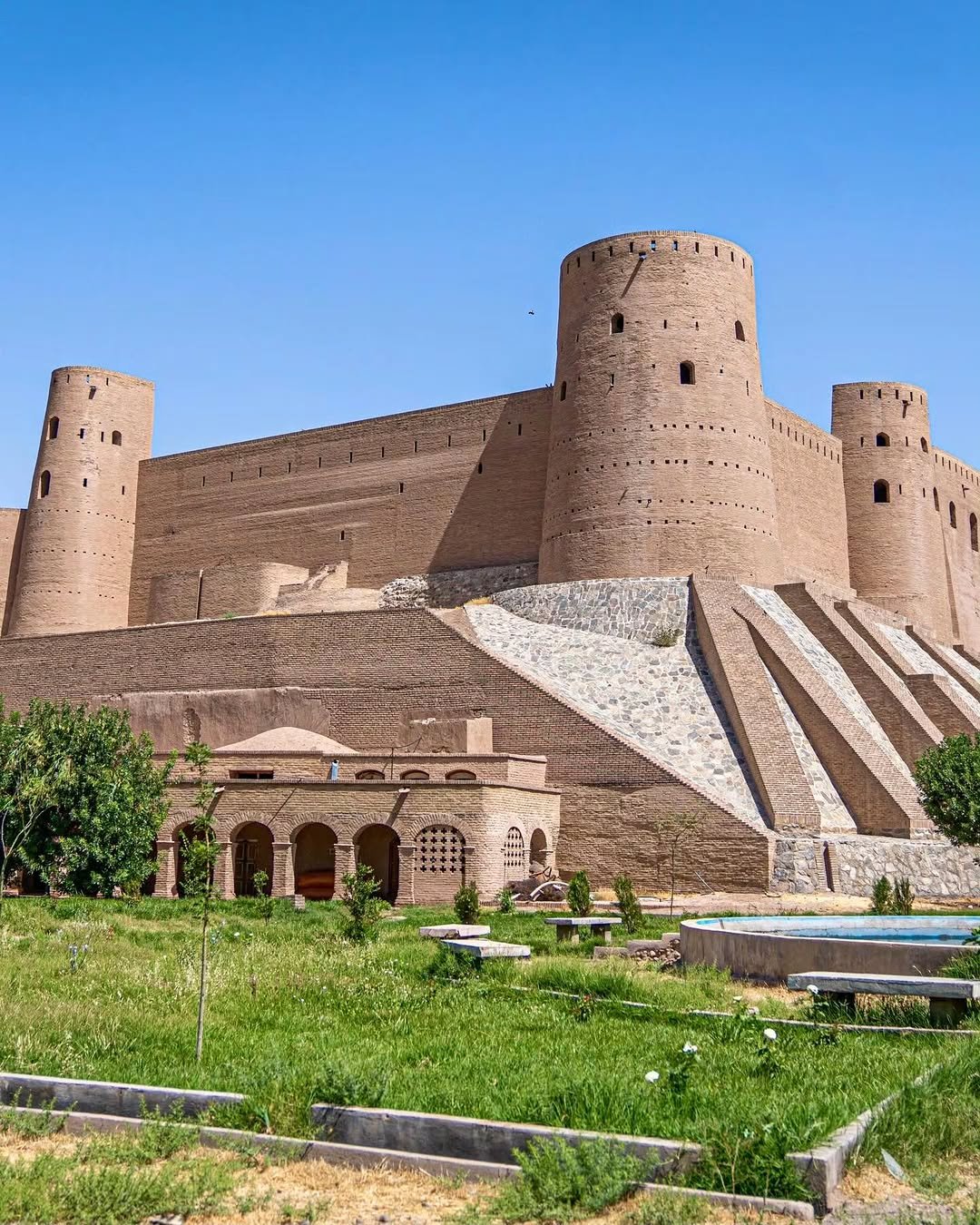
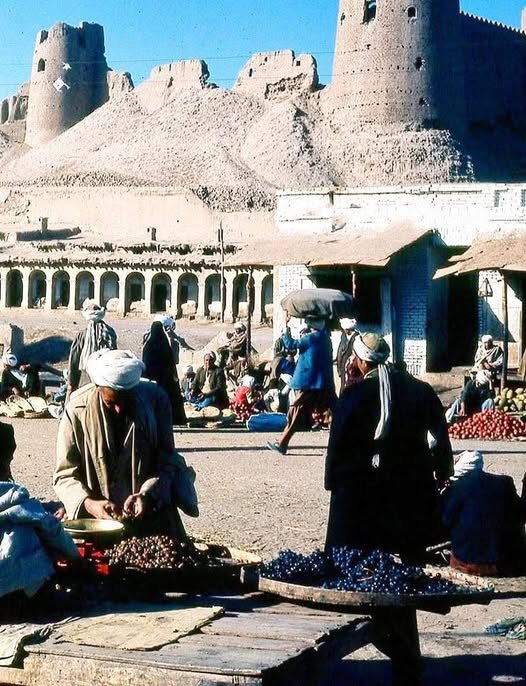
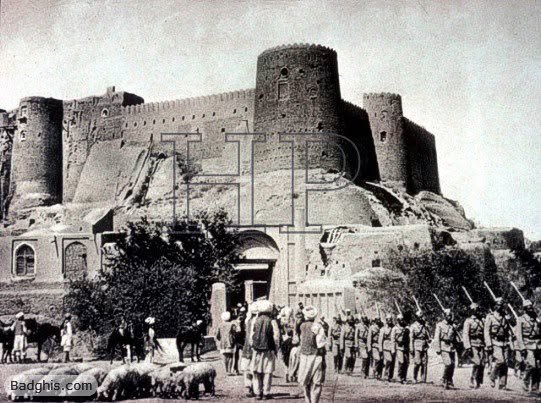
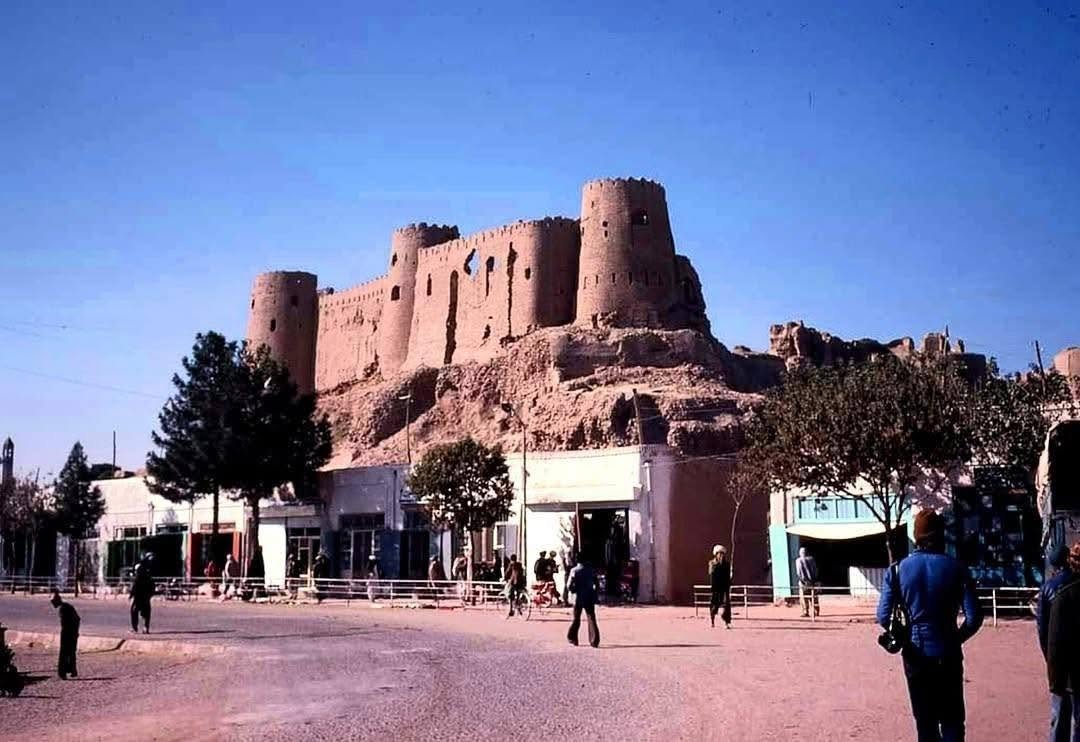
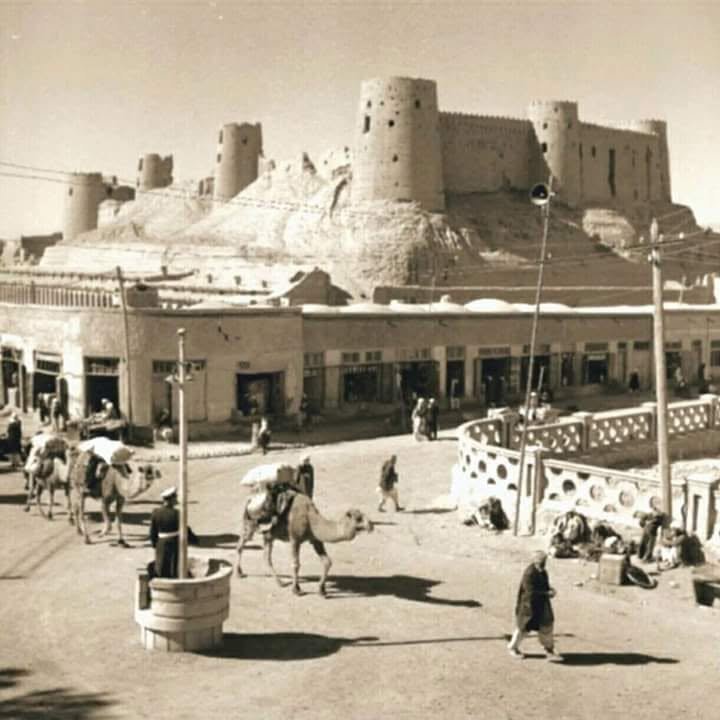
Qala-e Ikhtyaruddin, also known as the Herat Citadel, is one of the oldest and most important historical landmarks in Afghanistan. Located in the heart of Herat city, this ancient fortress has stood for more than two thousand years and has witnessed the rise and fall of great empires.
Today, it is not only a historical monument but also a symbol of Afghanistan’s rich cultural identity and resilience. For travelers interested in history, architecture, and Silk Road heritage, the citadel offers one of the most fascinating experiences in the region.
Among the countless historical treasures of Afghanistan, few landmarks possess the grandeur, historical depth, and cultural significance of Qala-e Ikhtyaruddin, widely known as the Herat Citadel. Standing proudly in the heart of Herat, this magnificent fortress has watched over the city for more than two thousand years, serving as a witness to empires, invasions, trade caravans, and cultural renaissances.
Today, the citadel remains one of the most important tourist attractions in Afghanistan and an essential destination for travelers interested in history, architecture, archaeology, and Silk Road heritage.
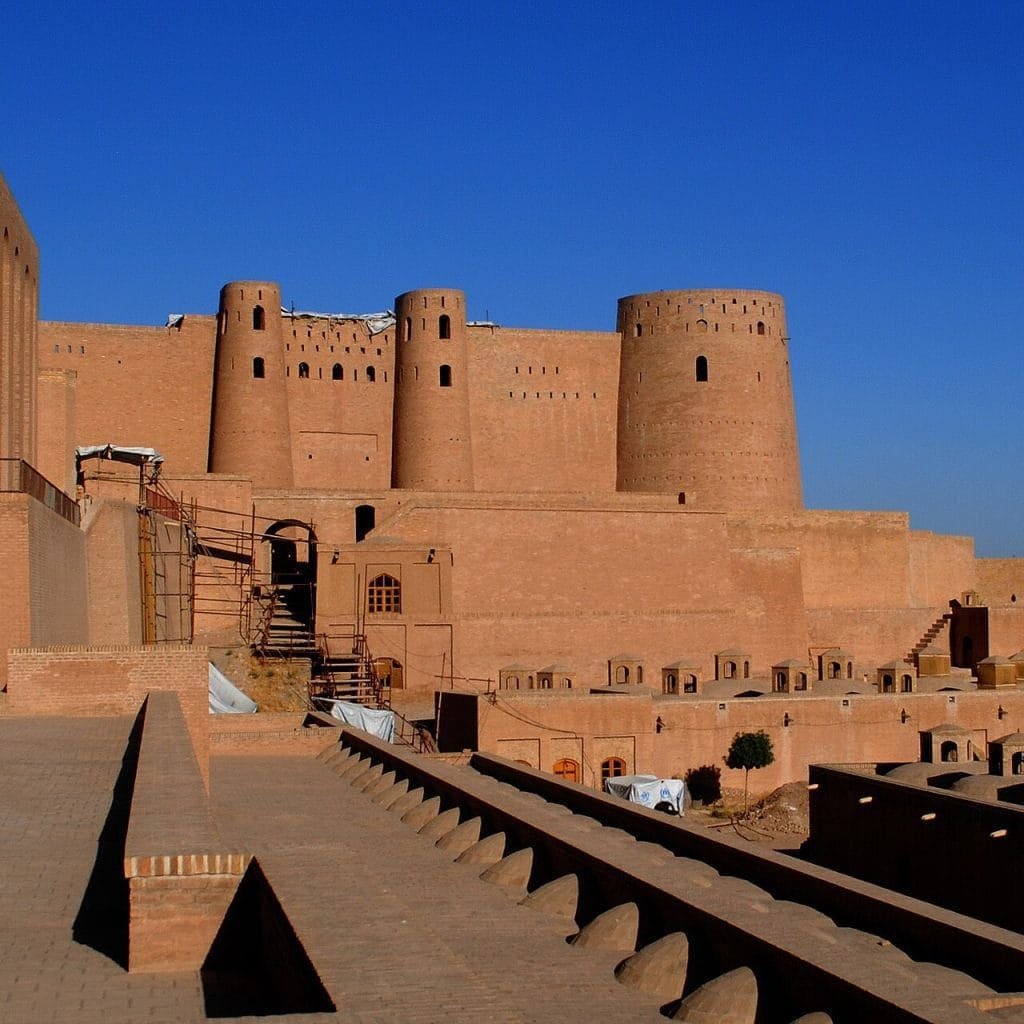
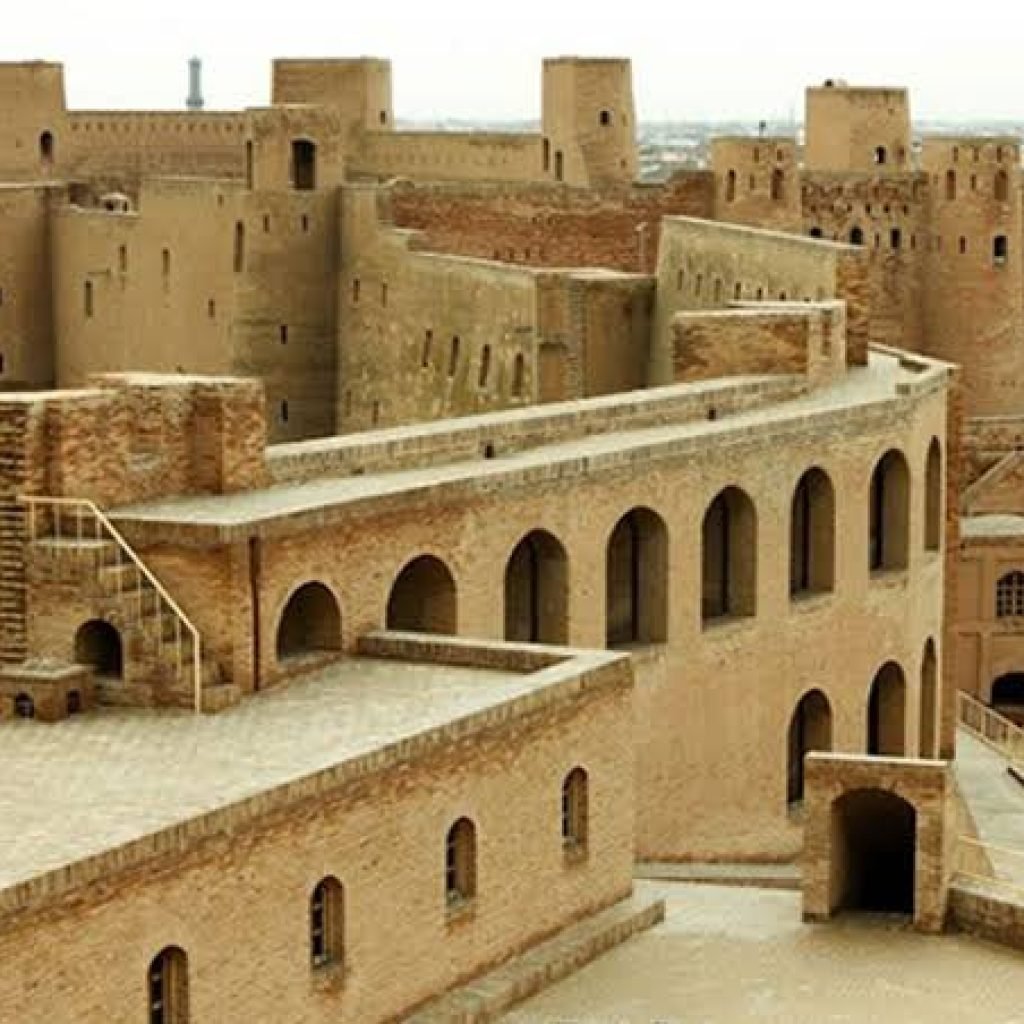
Quick Facts About Qala-e Ikhtyaruddin
- Location: Herat City, Western Afghanistan
- Historical Origin: Approximately 330 BCE
- Associated With: Alexander the Great
- Current Structure: Primarily Timurid Era
- Function: Military Fortress, Administrative Center, Museum
- UNESCO Significance: Part of Herat’s outstanding cultural heritage
- Best For: History Lovers, Cultural Travelers, Photographers
The History of Qala-e Ikhtyaruddin
The Era of Alexander the Great
Historical traditions associate the origins of the fortress with Alexander the Great’s conquest of the region in 330 BCE.
Following his victory, a military stronghold was reportedly established to secure the newly conquered territory of Aria, the ancient name of the region surrounding modern Herat.
Although the original structure has long disappeared, the location remained strategically important throughout subsequent centuries.
The Fortress Under Ancient Empires
Over time, the citadel passed through the hands of numerous empires, including:
- Seleucid Empire
- Parthian Empire
- Sassanian Empire
- Islamic Caliphates
- Ghaznavid Empire
- Ghurid Dynasty
Each period contributed to the development and expansion of the fortress.
Moghol Destruction
In the 13th century, Herat suffered extensive destruction during the Mongol invasions.
Large portions of the city and its defensive structures were damaged or destroyed.
Timurid Renaissance
The citadel experienced its greatest transformation during the Timurid Empire in the 15th century.
Under Shah Rukh and Queen Gawhar Shad, Herat became one of the world’s leading centers of art, architecture, literature, science, and Islamic culture.
Major reconstruction projects strengthened the fortress and enhanced its architectural character.
Many of the features visitors admire today reflect this remarkable period.
Why Is the Herat Citadel Important?
The significance of Qala-e Ikhtyaruddin extends far beyond military history.
The fortress represents:
- More than 2,000 years of continuous urban history
- The cultural legacy of the Silk Road
- Afghanistan’s architectural heritage
- Timurid artistic achievements
- The resilience of Afghan civilization
For historians, it provides invaluable insight into the evolution of military architecture across multiple civilizations.
Architecture of the Citadel
The Herat Citadel showcases centuries of architectural adaptation.
Visitors can observe:
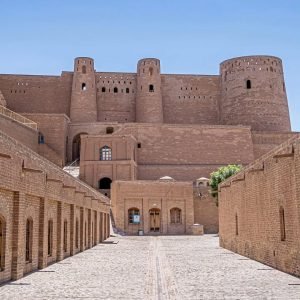
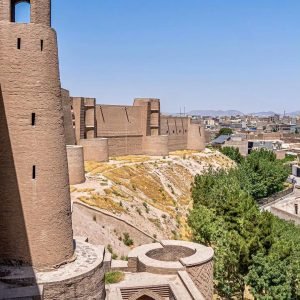
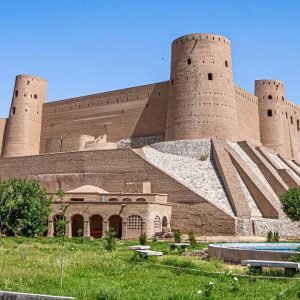
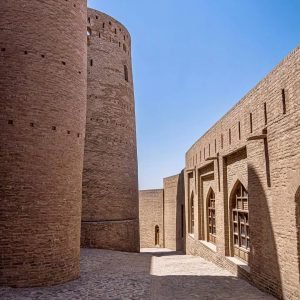
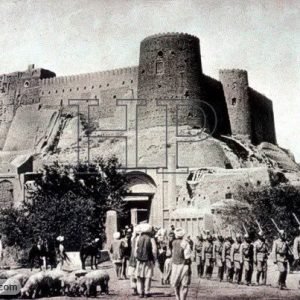
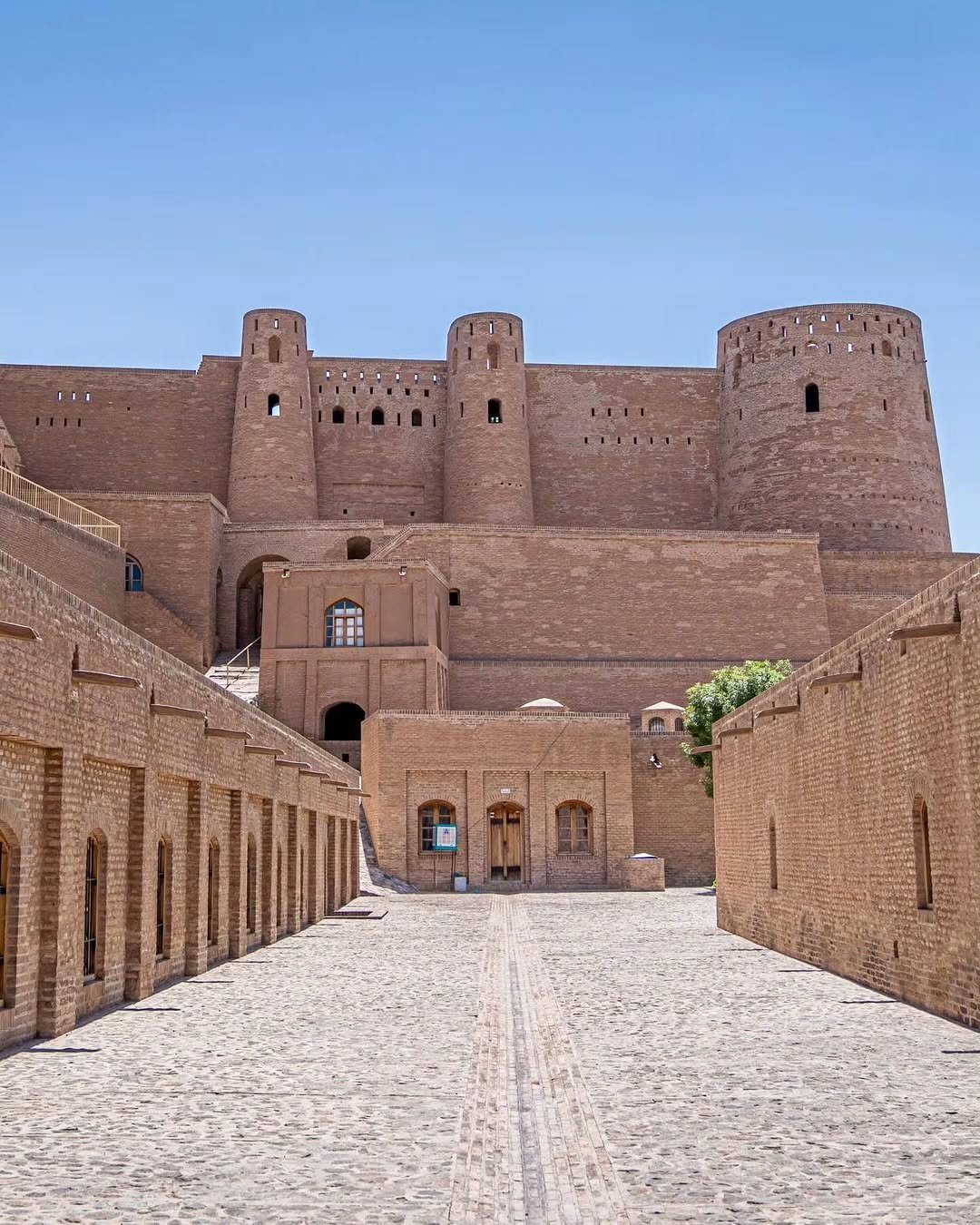
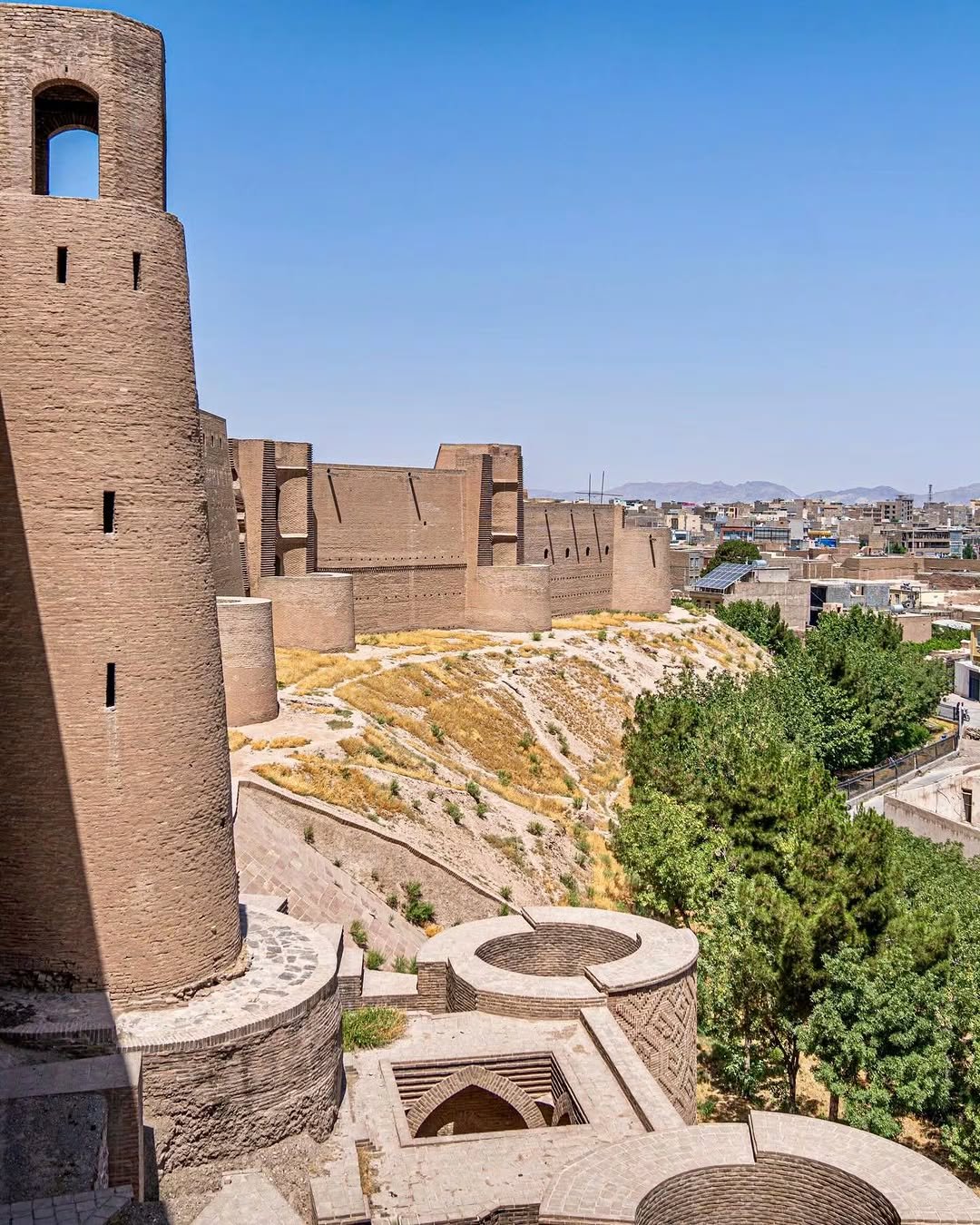
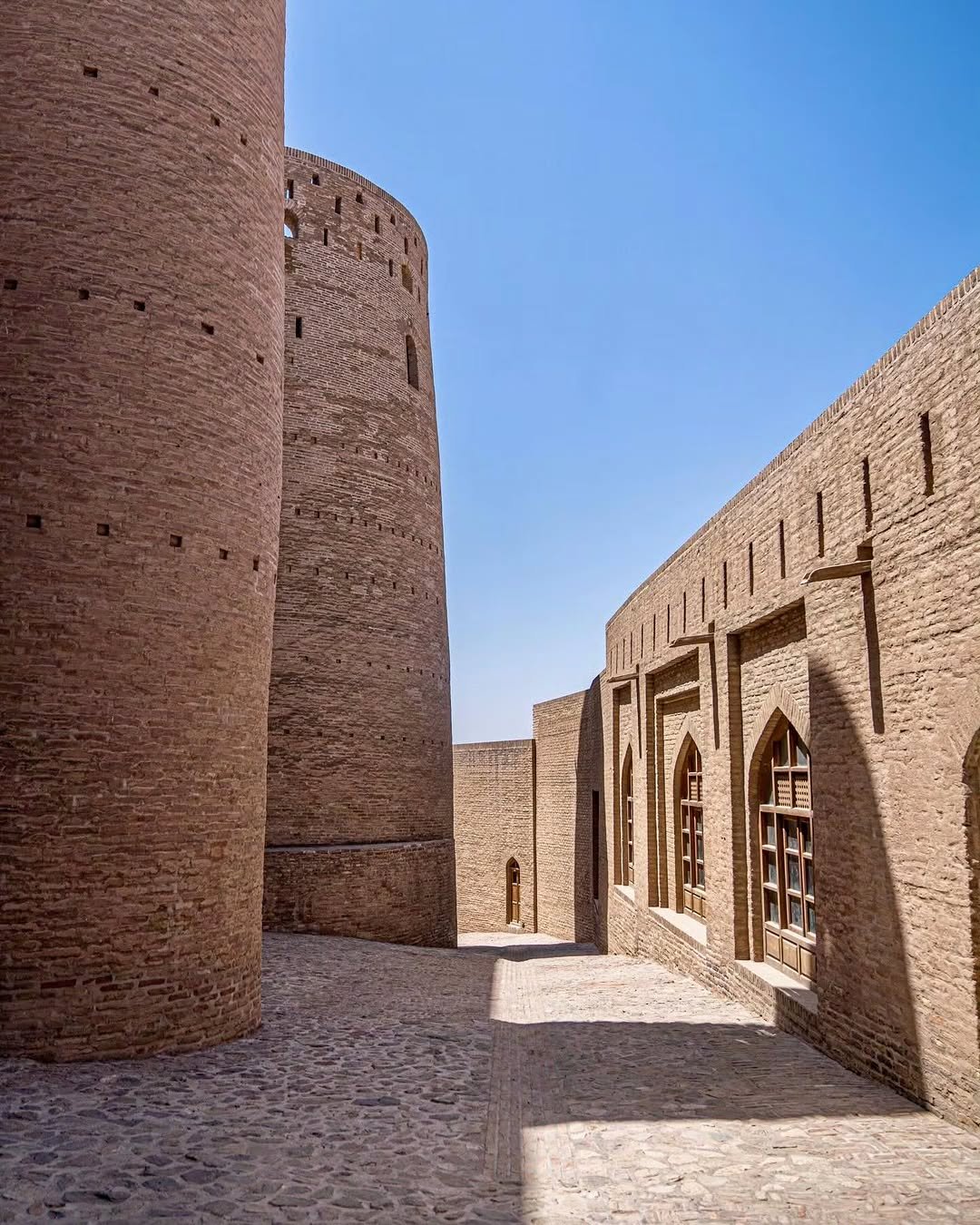
Massive Defensive Walls
Thick fortified walls were designed to withstand attacks and protect the city’s population.
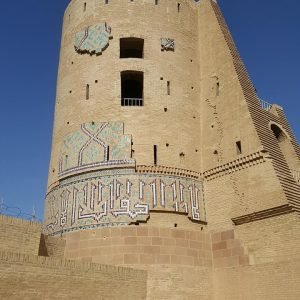
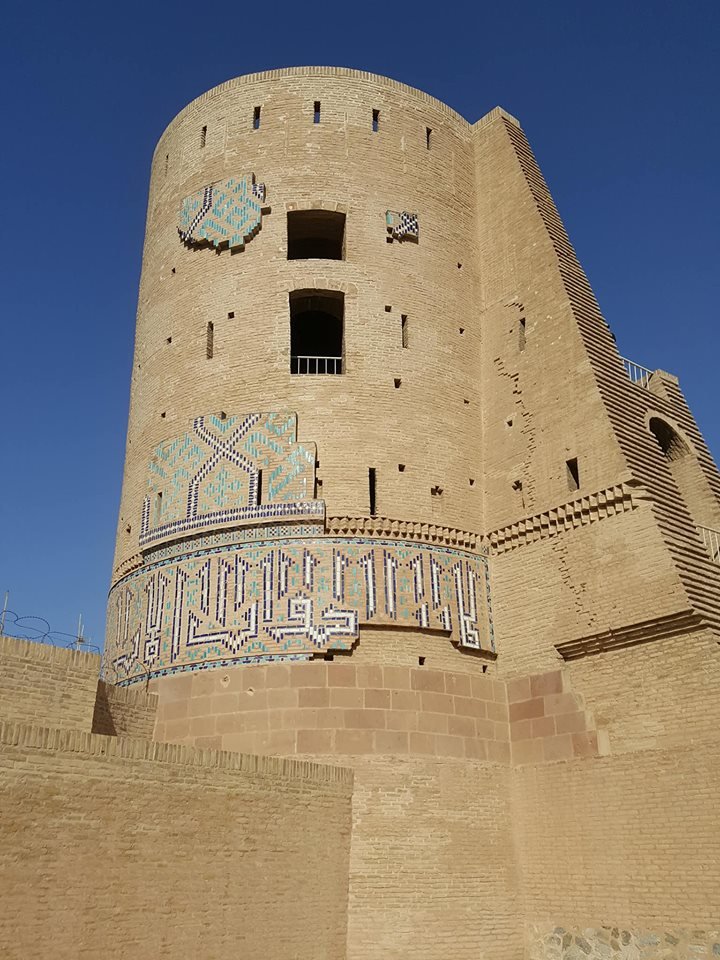
Historic Towers
The citadel originally featured numerous defensive towers used for surveillance and defense.
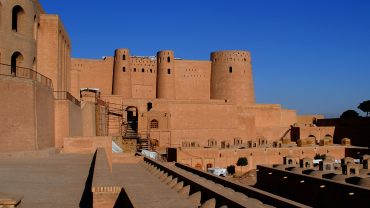
Several have been restored and remain among the most recognizable features of the fortress.
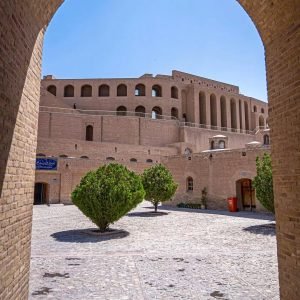
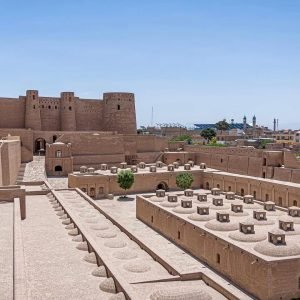
Courtyards and Administrative Areas
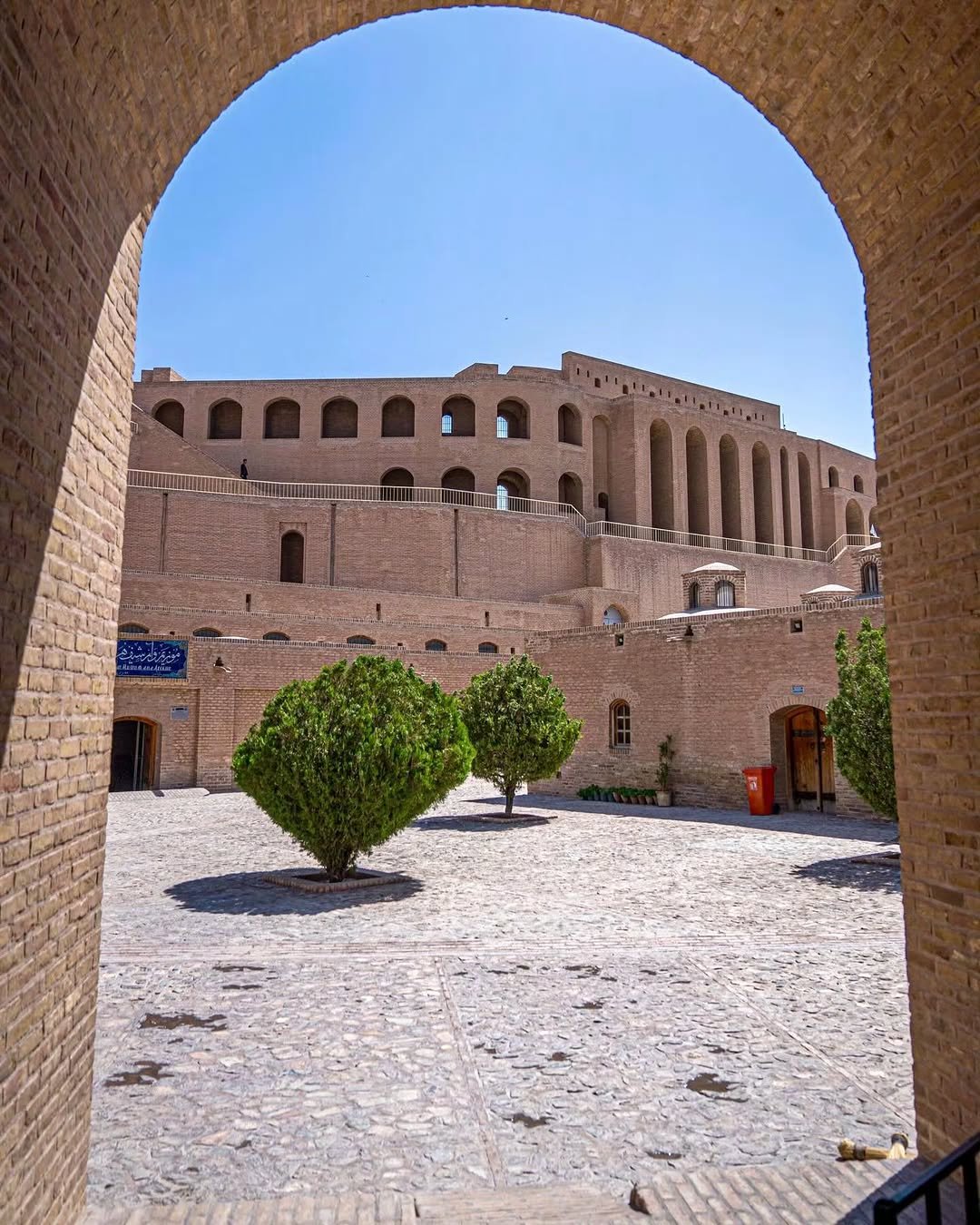
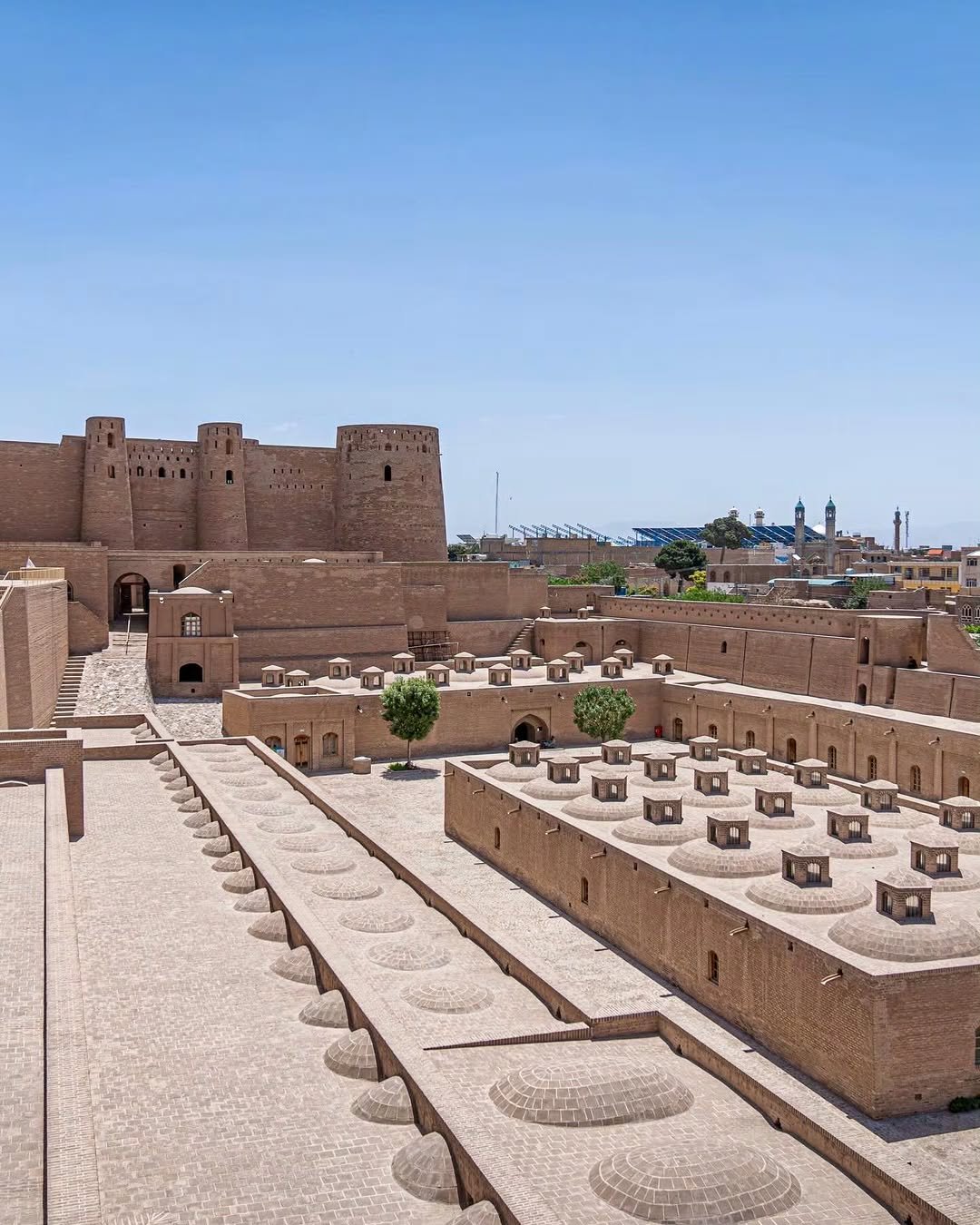
Inside the complex, visitors can explore spaces once used by military commanders, government officials, and royal representatives.
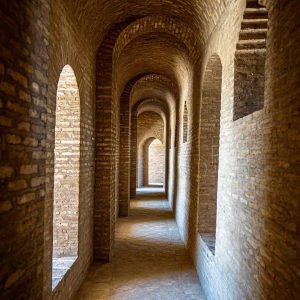
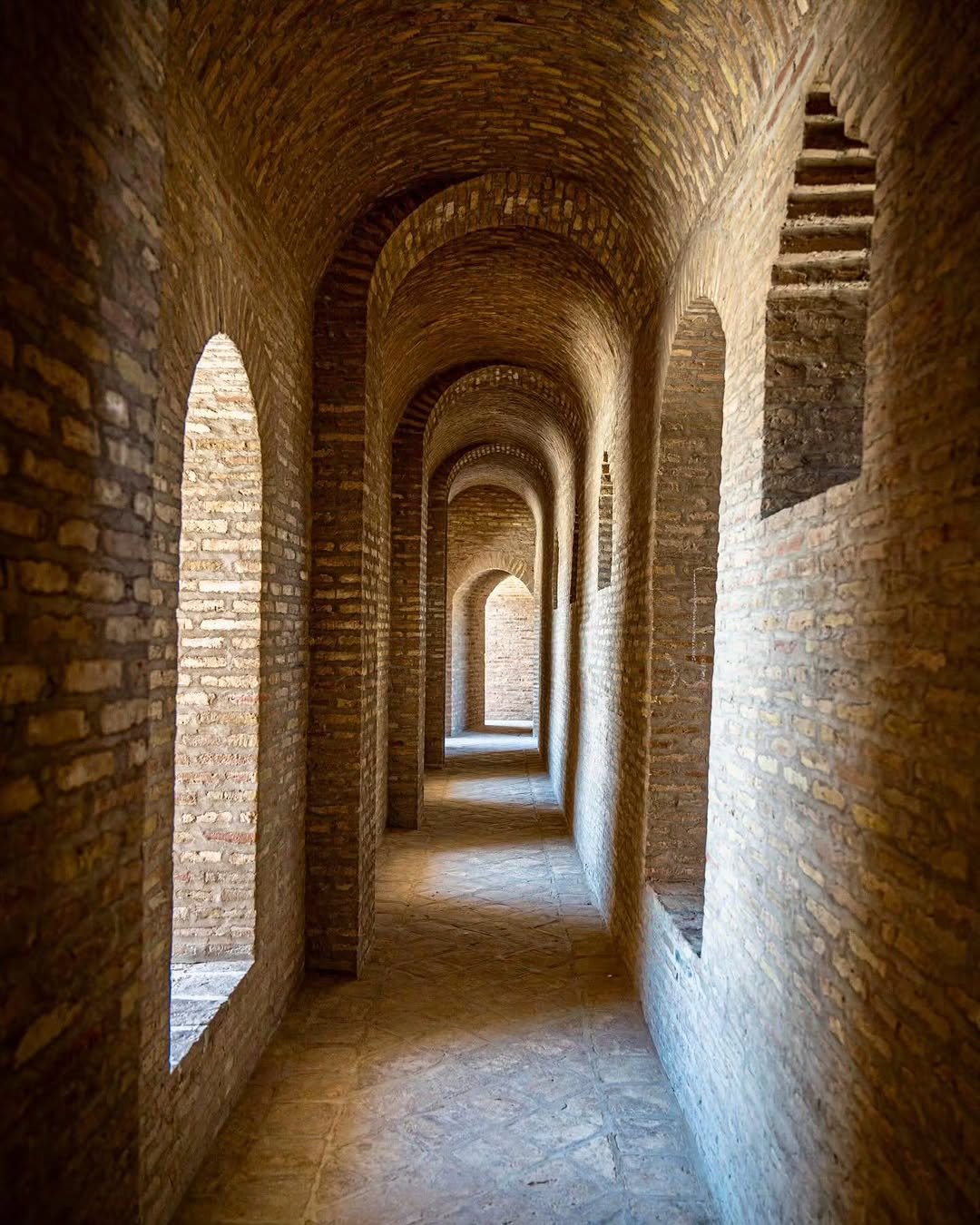
Traditional Brickwork
The fortress displays beautiful examples of Afghan and Timurid brick architecture.
The craftsmanship demonstrates the advanced building techniques of medieval Herat.
The Museum Inside the Citadel
Today, parts of the fortress function as the Herat Museum.
Exhibitions include:
- Archaeological artifacts
- Historical manuscripts
- Traditional cultural objects
- Coins from ancient dynasties
- Decorative arts and crafts
The museum provides visitors with a deeper understanding of Herat’s role in regional history.
The Silk Road Connection
One of the most fascinating aspects of the citadel is its relationship with the Silk Road.
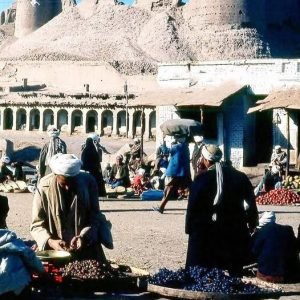
For centuries, caravans carrying silk, spices, precious stones, textiles, and knowledge passed through Herat.
The fortress protected merchants and ensured security along important trade routes connecting:
- China
- Central Asia
- Persia
- India
- The Middle East
This strategic position transformed Herat into one of the great cities of the medieval world.
Restoration and Preservation
By the late twentieth century, portions of the citadel had deteriorated due to conflict and natural aging.
A major restoration initiative in the early 2000s carefully rehabilitated the structure.
Thanks to these efforts, visitors today can experience one of Afghanistan’s best-preserved historical monuments.
The restoration stands as an important example of heritage conservation in the region.
Current Gallary
Slide Title
Slide Title
Slide Title
Slide Title
Slide Title
Slide Title
Slide Title
Slide Title
Slide Content
Old Gallary
Slide Title
Slide Title
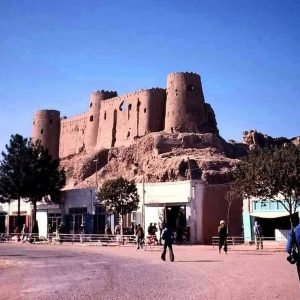
Slide Title
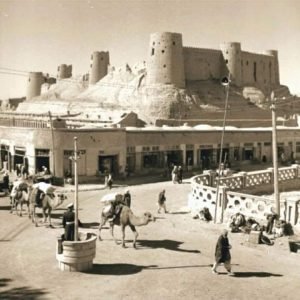
Slide Title
Slide Content
Frequently Asked Questions
What is Qala-e Ikhtyaruddin?
Qala-e Ikhtyaruddin is the historic citadel of Herat and one of the oldest surviving fortresses in Afghanistan.
How old is the Herat Citadel?
The origins of the citadel date back to approximately 330 BCE.
Who built the citadel?
The earliest structure is traditionally associated with Alexander the Great, while later dynasties expanded and rebuilt it over centuries.
Why is the citadel important?
It served as a military and administrative center for Herat and played a key role along the Silk Road.
Can tourists visit the citadel?
Yes, the citadel is open to visitors and is one of the main tourist attractions in Herat.
What can visitors see inside?
Visitors can see restored towers, courtyards, museum exhibits, and panoramic views of the city.

Comment (0)